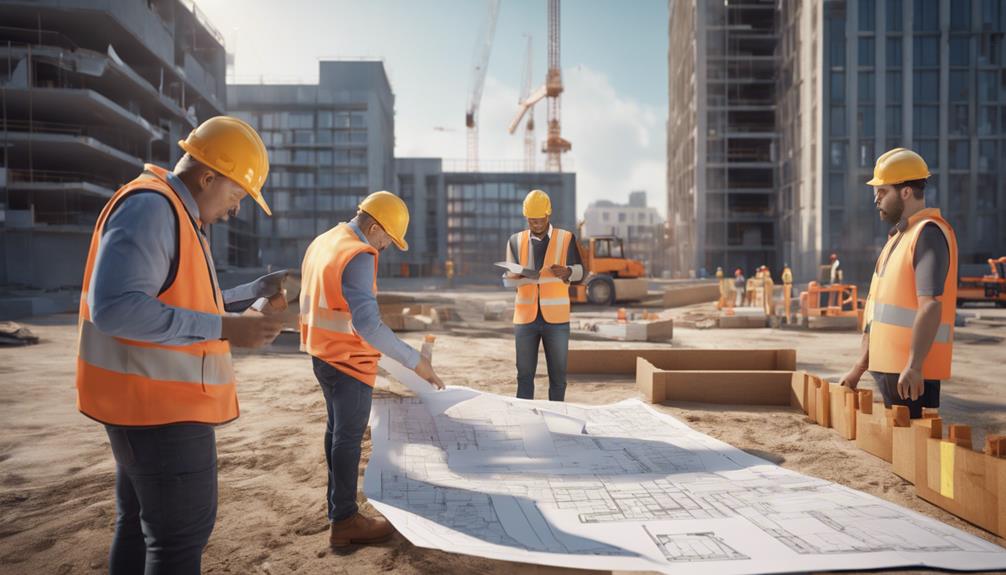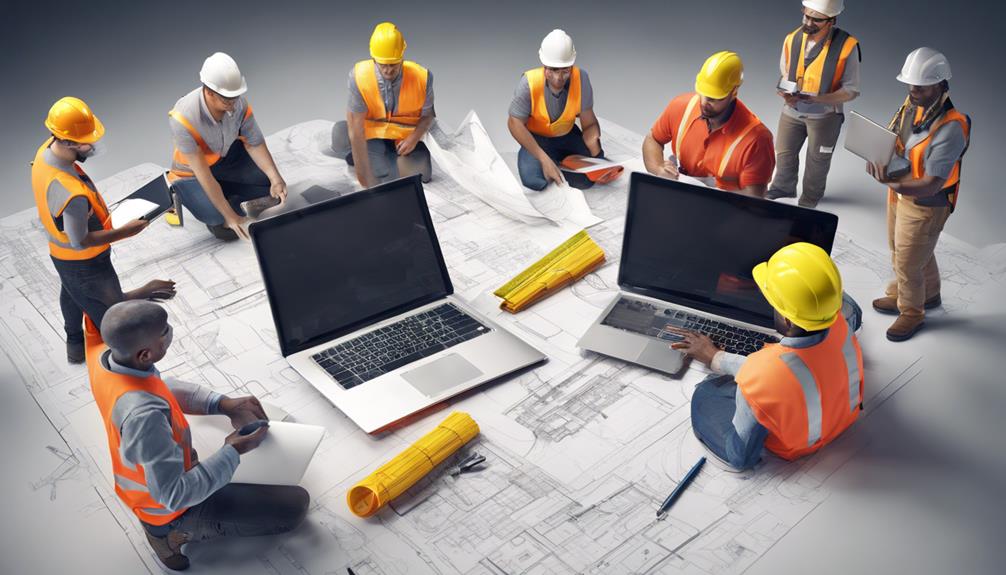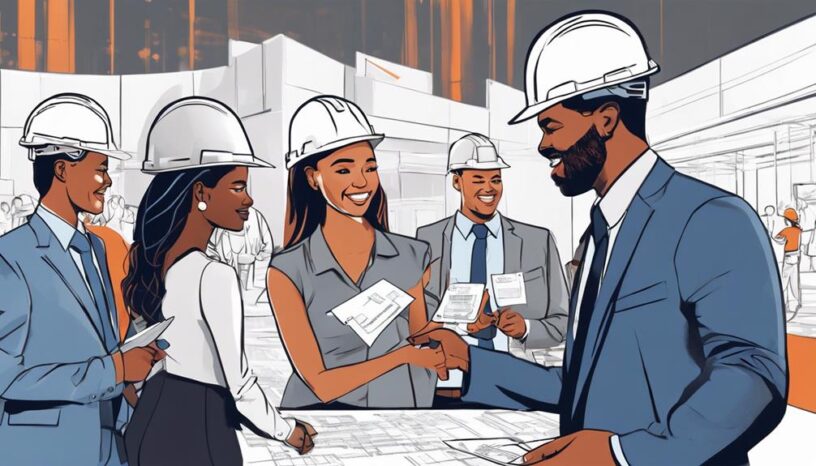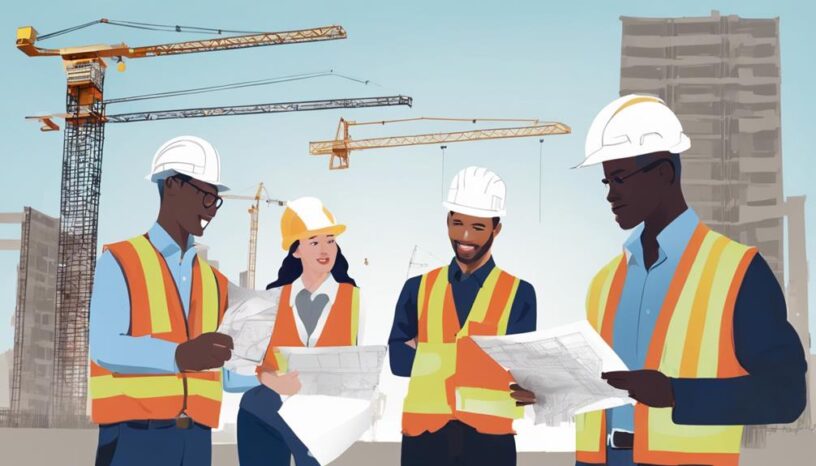
In 2023, you'll discover numerous collaboration opportunities in the construction industry that harness emerging trends such as digitalization, Building Information Modeling (BIM), and advanced cloud-based platforms. These technologies are transforming how teams connect and manage projects, significantly boosting efficiency and communication. Engaging in strategic partnerships will not only extend your capabilities but also multiply your potential for innovation, broadening your market reach. Remember, joining local and national associations can vastly expand your network, offering access to crucial resources and community visibility. Explore these alliances and technologies to uplift your collaborations. The more you explore, the more benefits you'll uncover.
Emerging Trends in Construction Collaboration

In recent years, several emerging trends have significantly reshaped how professionals in the construction industry collaborate. You've likely noticed the shift towards digitalization. Tools like Building Information Modeling (BIM) have transformed project management by creating dynamic, interactive models that everyone can access and update in real-time. This isn't just about seeing a structure before it's built; it's about spotting potential issues early, saving time and money.
You're also seeing more cloud-based platforms which enhance team communication. These tools allow you and your team to share documents and project updates instantly, from anywhere, ensuring that everyone stays on the same page. It's about eliminating delays that used to plague projects when relying on traditional methods of communication.
Moreover, the adoption of mobile technology in construction sites has skyrocketed. Apps now enable you to receive real-time updates, submit compliance documentation, and even manage supply chains from the palm of your hand. This means you're always in the loop, making decisions faster and with more information than ever before.
These trends aren't just changing workflows; they're revolutionizing how you connect with your team and execute projects. Embrace them, and you'll find your projects running smoother than you ever thought possible.
Benefits of Strategic Partnerships
While embracing technological advancements enhances project management and team dynamics, partnering strategically extends your capabilities even further. By forging strategic partnerships, you're not just sharing resources; you're multiplying your potential for innovation and market reach. These collaborations allow you to leverage the strengths of others in areas where you might lack expertise or resources.
Imagine you're tackling a complex infrastructure project. By aligning with a firm that excels in sustainable materials, you can pitch a more compelling bid, knowing you're backed by cutting-edge, eco-friendly technology. This not only boosts your competitive edge but also enhances your reputation as a forward-thinking builder.
Moreover, strategic partnerships can lead to cost efficiencies. Sharing tools, machinery, and even workforce can significantly cut down your operational costs. It's about optimizing what you have and what your partners bring to the table, ensuring that both parties benefit financially and strategically.
Lastly, these alliances often lead to faster project completion. Combining expertise means smarter problem-solving and streamlined processes. You'll find projects moving swiftly from planning to execution, reducing downtime and increasing client satisfaction. Embrace these partnerships, and you'll see just how dynamic and productive your projects can become.
Building Strong Industry Networks

Beyond strategic partnerships, building strong industry networks is essential for thriving in the construction sector. You've got to expand your circle beyond immediate business contacts to include a wide range of stakeholders. This isn't just about knowing more people; it's about creating a diverse pool of resources, knowledge, and opportunities.
Start by joining local and national construction associations. These groups offer not only networking opportunities through events and conferences but also resources and information that are invaluable. Don't just attend; get involved. Volunteer for committees or speak at events. You'll make more meaningful connections this way.
Remember, it's not only about who you know but also who knows you. Make sure you're visible in your community. Sponsor local events, give talks at schools, or write articles for trade publications. These activities help build your reputation as a leader in the field.
Networking also means staying in touch. Don't let those business cards collect dust. Follow up with new contacts, share useful information, or simply check in. Your goal is to be top of mind when opportunities arise.
Leveraging Technology for Collaboration
You can dramatically enhance your collaborative efforts in the construction industry by leveraging modern technology. Tools like project management software allow you to streamline communication, maintain real-time updates, and manage timelines more efficiently. Imagine coordinating a complex project where every team member, whether on-site or in the office, accesses the same updated information instantly.
Cloud-based platforms are particularly transformative. They enable document sharing, version control, and feedback loops without the need for physical paperwork. This means you're not just working faster; you're also reducing errors and miscommunication.
You'll find that when everyone accesses the same data, decision-making becomes quicker and more accurate.
Don't overlook mobile technology either. Apps that facilitate instant messaging and video calls can solve problems on-the-go. Quick virtual meetings can be convened without needing everyone physically present, saving time and resources.
Integrating these tech tools into your daily operations isn't just about keeping up with trends. It's about making tangible improvements in how collaborative tasks are performed, which can directly influence the success and efficiency of your projects. Start small if you need to, but start integrating technology today to see significant gains in your collaborative endeavors.
Key Players in Construction Networking

In the construction industry, several key players are essential for successful networking. As a professional in this field, you'll find that relationships with architects, project managers, and material suppliers can open doors to new projects and collaborations. Architects play a pivotal role as they often spearhead designs and concepts that require your expertise to realize. Building a strong rapport with them can ensure you're top of mind for future projects.
Project managers are your go-to contacts for keeping a project on track. They coordinate between different teams, resolve conflicts, and ensure deadlines are met. Establishing a solid connection with project managers can make your job smoother and more efficient.
Material suppliers are equally crucial. They not only provide the necessary resources but also offer insights into new materials and technologies. Staying on good terms with suppliers ensures you get the best products promptly and possibly at better rates.
Networking within these relationships is about more than just exchanging business cards; it's about sharing knowledge, understanding each other's needs, and supporting mutual growth. Remember, the more proactive you're in your networking efforts, the more you'll find opportunities coming your way.
Overcoming Collaboration Challenges
While networking in the construction industry opens many doors, it also presents unique challenges that must be navigated carefully. One major hurdle you'll face is the diversity of stakeholders involved. You're dealing with architects, engineers, contractors, and suppliers, each bringing their own expectations and communication styles to the table. To manage this effectively, you need to develop robust communication strategies that keep everyone on the same page.
Another challenge is logistical coordination. Construction projects often involve multiple sites and teams working simultaneously. You've got to ensure that collaboration tools aren't only in place but are also accessible and user-friendly for all parties involved. Leveraging technology like project management software can be a game-changer here, helping to streamline processes and enhance transparency.
Conflicts are inevitable, so it's crucial you're equipped to handle them. Implementing a clear conflict resolution protocol can save you a lot of headaches. It's about being proactive rather than reactive. Establish guidelines for addressing disputes and ensure these are communicated early in your collaborations.
Lastly, safeguarding intellectual property and sensitive information is vital. Make sure contracts and agreements clearly outline who owns what and how information is shared. This clarity will protect your projects and partnerships from potential legal entanglements.
Case Studies of Successful Partnerships

Exploring successful partnerships reveals how collaboration can dramatically enhance project outcomes in the construction industry. Take the example of the Highview Bridge Project. Here, a leading construction firm partnered with a technology provider to integrate advanced real-time analytics into their building process. This alliance not only sped up the construction timeline by 20% but also enhanced safety measures, reducing onsite accidents by 30%.
Next, consider the Riverside Plaza initiative. A construction company collaborated with local government and environmental experts to develop a mixed-use development that adhered to stringent sustainability standards. This partnership resulted in a LEED Platinum certification, attracting eco-conscious tenants and increasing property value.
You'll also find inspiration in the Cross-City Tunnel venture. This project was a testament to the power of international collaboration, involving firms from three different countries. The partners leveraged diverse expertise and shared resources, which culminated in the tunnel being completed three months ahead of schedule, under budget, and with an exemplary safety record.
These case studies illustrate that when you're open to collaboration and choose the right partners, the benefits can be substantial. You'll see not just financial gains but improvements in efficiency, innovation, and sustainability.
Conclusion
As you dive into these emerging trends and leverage new technologies, you'll see how powerful partnerships can transform your projects. Remember, building strong networks and overcoming collaboration challenges are key to your success. By engaging with key players and learning from successful case studies, you'll not only enhance your capabilities but also drive innovation within the construction industry. So, don't hesitate to reach out, connect, and collaborate. The future of construction is collaborative, and it starts with you.